.png)
Chapter 1: "Wait, Is This Normal?"
Sis, if you've been asking yourself "Ano bang nangyayari sa katawan ko? Normal Ba ‘To?" - you're exactly where you need to be.
You know something's different, right? Maybe your period has become as unpredictable as Manila traffic - minsan early, minsan late, minsan wala na lang. Or you're exhausted even if you slept your usual eight hours, or your body's reacting differently to stress than it used to. You might be wondering if you're "just getting older" or if there's something more specific happening.
Here's what your Ate needs to tell you: Hindi mo kathang isip ‘yan, and you're definitely not alone.
Take Our Quick Reality Check:
- Energy Mystery: Your energy feels like a jeepney ride - unpredictable stops and starts, even with your usual three cups of coffee
- Sleep Disruption: You're waking up at 3 AM para bang may sumigaw ng "Hoy, gising!" even though wala namang kapitbahay na nag-videoke
- Mood Shifts: You're getting irritated at small things – feeling overwhelmed by work stress that you used to handle easily or traffic that never used to bother you before
- Body Changes: Your favorite Filipiniana dress is fitting differently around the waist, even if you’ve been eating the same amount of food as you always have
- Brain Fog: You're having more "nasa dulo ng dila" moments during important meetings, or you suddenly blank out mid-conversation (“wait, what was I saying again?”)
- Temperature Issues: You're the first to reach for the aircon remote when everyone else is comfortable, or you're constantly adjusting that electric fan
- Period Changes: Your “monthly visitor” has become as unreliable as the LRT during rush hour
If you checked 3 or more boxes, welcome to perimenopause!
Why Your Doctor Might Miss These Signs
Many women in their late 30s and early 40s are told their symptoms are "just stress" or "normal aging." Here's the real talk: perimenopause can start much earlier than most people realize - even in your mid-30s.
The challenge is that perimenopause doesn't announce itself with dramatic symptoms. It's subtle at first. You notice small changes but you're not sure if it's worth talking about yet. Your hormone levels are fluctuating wildly, but standard blood tests often come back "normal" because they're just capturing one moment in time of a constantly changing picture.
In our culture, we're often taught to "tiis lang" and push through discomfort. But dismissing these changes as "just part of being a woman" means missing the opportunity to understand and support our bodies during this important transition.
The Reality Timeline:
- Late 30s: First subtle shifts - you might notice changes in sleep, energy, or how your body responds to stress
- Early 40s: More noticeable patterns - irregular periods, new physical symptoms, mood changes
- Mid-40s: Classic perimenopause territory - most symptoms become more pronounced
- Late 40s/Early 50s: Transition to menopause - symptoms may intensify before gradually stabilizing
The Truth About "Just Getting Older"
This isn't about "ganyan lang talaga pag may edad na" - this is about your body preparing for its next chapter.
Think of perimenopause as your body's way of gradually shifting gears. For decades, your reproductive system has been running a monthly cycle. Now, it's beginning to wind down that process and redirect energy elsewhere. This doesn’t mean you're declining - it means you're transitioning.
In some other Asian cultures, this phase is called your "Second Spring" - a time when the energy once used for reproduction becomes available for wisdom, creativity, and new forms of strength. You're not losing your vitality; you're redirecting it.
Chapter 2: Your Second Spring Timeline
Understanding the stages of this transition can empower you to navigate it with confidence. We call it "Your Second Spring" because, much like spring follows winter, this phase can bring renewed energy, clarity, and a deeper connection to yourself, once you understand how to nurture it.
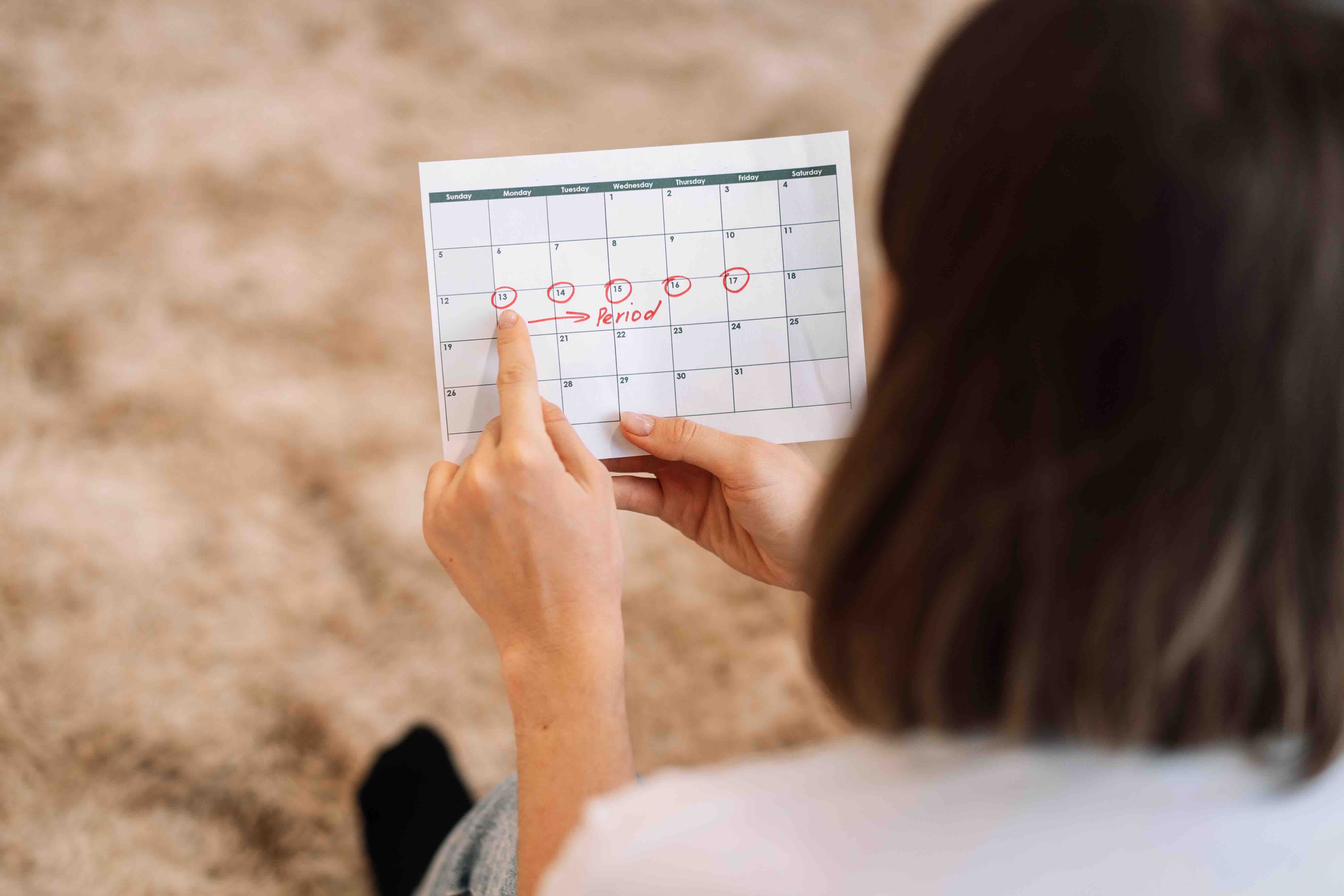
What to Expect in Your Late 30s: The Subtle Shift
This is often when the first whispers of change begin, though you might not recognize them as perimenopause yet:
- Sleep becomes less predictable - even when the kids finally sleep through the night – or even when you don’t have kids and you find yourself tossing and turning even more
- You might need more recovery time after particularly busy weeks at work or family reunions
- PMS symptoms might intensify or change character - maybe you find yourself even more emotional – crying over Jollibee commercials or getting annoyed with your husband even more
- Energy levels feel less consistent throughout the day
- You might notice you're more sensitive to that afternoon coffee or your usual glass of wine with dinner
The Early 40s: The Awakening
Changes become more noticeable and patterns emerge:
- Periods begin to shift in timing, flow, or duration - making it harder to plan around important events (imagine planning a beach trip tapos biglang dating ang period!)
- Hot flashes might make their first appearance during that important client presentation
- Brain fog becomes a real thing you experience, hindi lang something you've heard titas talk about
- Joint aches might appear, especially in the morning or after sitting through long meetings
- Weight management feels more challenging, even when you're eating the same meals
Moving Toward Menopause: The Transformation
As you progress through your 40s and into your early 50s:
- Periods become increasingly irregular
- Symptoms like hot flashes and sleep disruption may intensify
- Body composition changes become more pronounced
- This is also when many women report feeling more decisive and authentic - parang "I'm done with other people's drama" energy
Remember: Every woman's timeline is different. Some women have a gradual, subtle transition over 8-10 years. Others experience more dramatic changes over 2-3 years. Neither is "right" or "wrong"—they're just different expressions of the same natural process.
PART 2: THE SECONDSPRING METHOD™ (Your 4-Step Perimenopause Playbook)
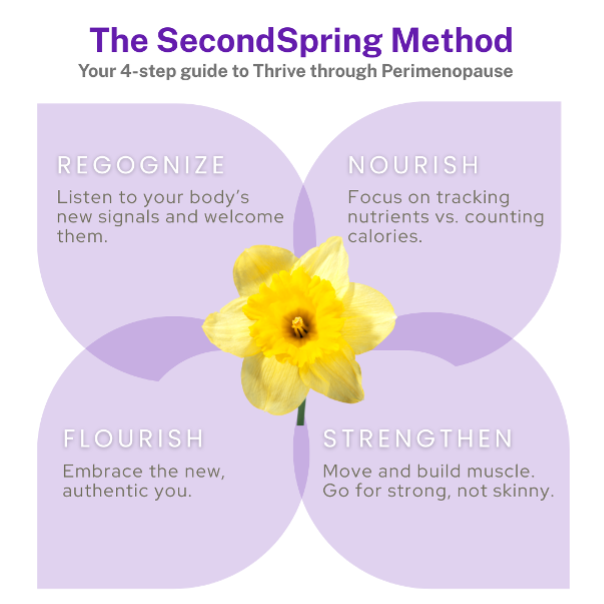
Step 1: RECOGNIZE - Know Your Body's New Language
Your body is constantly communicating with you, but during perimenopause, it's essentially learning a new language. The signals that once felt familiar—your energy patterns, sleep needs, even how you respond to stress—are all shifting. Instead of fighting against these changes or dismissing them as problems to solve, what if we approached them as information to understand?
The key to thriving through this transition is becoming fluent in your body's new language.
The Top 8 Perimenopause Signals (Beyond Irregular Periods)
While irregular periods get most of the attention, they're just one part of the story. Here are the signals that matter most for women in their 30s and 40s:
- Energy Rollercoaster Unlike the steady decline of "normal" fatigue, perimenopause energy feels unpredictable. You might have a great morning followed by a 3 PM crash, or feel wired at bedtime after being exhausted all day.
What your body is saying: "My hormone levels are fluctuating, which affects everything from blood sugar regulation to stress response."
- Sleep Architecture Changes You're not just having trouble sleeping—your sleep is changing. You might fall asleep easily but wake at 3 AM with your mind racing about tomorrow's deadlines, or find yourself needing more sleep but feeling less rested.
What your body is saying: "My progesterone levels are shifting, affecting my natural sleep chemicals."
- Stress Response Amplification Situations that didn't faze you before now feel overwhelming. Your patience feels shorter—maybe you're snapping at your kasambahay or feeling frustrated in traffic jams that never bothered you before.
What your body is saying: "My stress-buffering hormones are fluctuating, making me more sensitive to triggers."
- Temperature Regulation Issues Before the classic hot flashes, you might notice you're just... warm. You're the first to reach for the aircon remote, or you suddenly find yourself sleeping with the electric fan on high even during the rainy season.
What your body is saying: "My internal thermostat is recalibrating as my hormones shift."
- Cognitive Shifts "Brain fog" isn't just forgetting where you put your keys. It's struggling to find words you know during a presentation, losing your train of thought mid-sentence during family dinner, or having trouble concentrating during meetings in ways that feel new.
What your body is saying: "The hormones that support my brain function are changing, and I need different support systems."
- Body Composition Changes Even if your weight stays the same, you might notice your work clothes fitting differently around your middle, or that you feel less toned despite maintaining your usual Zumba classes or walks around the subdivision.
What your body is saying: "My metabolism is shifting, and I need different nutritional and movement support."
- Mood Weather Systems Instead of stable moods with occasional storms, you might feel like you're experiencing more frequent weather changes—calm one hour, stormy the next.
What your body is saying: "The hormones that help regulate my mood are fluctuating, and I need new emotional regulation tools."
- Recovery Time Extensions Whether it's bouncing back from a late family celebration, a particularly stressful work period, or even your weekend workout routine, you might notice you need more time to feel like yourself again.
What your body is saying: "My resilience reserves are shifting, and I need to honor my new recovery needs."
Decoding the Energy Roller Coaster
Of all the perimenopause signals, the energy rollercoaster often feels the most confusing because it doesn't follow predictable patterns. Understanding what's happening can help you work with your energy rather than against it.
Morning Energy Patterns:
- High Morning Energy with Afternoon Crash: Often related to cortisol patterns—you might be running on stress hormones in the morning
- Slow Morning Starts: Could indicate you need more time to wake up fully, or that your sleep quality isn't as restorative
- Variable Morning Energy: Might reflect how well you slept, what you ate the night before, or where you are in your cycle
Evening Energy Patterns:
- Second Wind at Bedtime: Common when stress hormones are elevated or when you've had caffeine too late
- Exhausted But Wired: Your body is tired but your mind won't turn off—often a sign of hormonal fluctuation
- Dead Tired by 8 PM: Not necessarily a problem—your body might be asking for more rest
Working With Your Energy: Instead of forcing yourself to maintain the same energy patterns you've always had, try mapping your energy for two weeks:
- Rate your energy hourly from 1-5
- Note what you ate, how you slept, and your stress levels
- Look for patterns rather than trying to "fix" individual low-energy moments
Think of it like tracking the weather—you don't try to change it, you learn to work with it.
Brain Fog vs. Stress: How to Tell the Difference
Many women dismiss cognitive changes as "just stress," but perimenopause brain fog has distinct characteristics:
Stress-Related Cognitive Issues:
- Usually tied to specific stressful situations
- Improve when stress is resolved
- Often involve feeling overwhelmed by too much information
- Respond well to stress management techniques
Perimenopause Brain Fog:
- Happens even during calm, low-stress moments
- Involves specific issues like word-finding or processing speed
- Can feel like "reaching for something that isn't there"
- Often improves with hormone-supporting lifestyle changes
The "Nasa Dulo ng Dila" Test: If you find yourself frequently knowing a word but being unable to access it, or starting sentences and losing your train of thought, this is more likely hormonal than stress-related.
The Processing Speed Test: If tasks that used to feel automatic (like following a familiar recipe or organizing your weekly schedule) now require more conscious effort, this suggests hormonal changes affecting cognitive function.
Quick Win: Daily Symptom Tracker
Instead of trying to track everything, focus on the three signals that affect you most. Here's a simple one-page format:
Morning Check-in (30 seconds):
- Energy level: 1-5
- Sleep quality: 1-5
- Mood: 1-5
Evening Reflection (1 minute):
- What was my energy pattern today?
- What helped or hindered my symptoms?
- What's one thing I want to remember for tomorrow?
Weekly Pattern Review (3 minutes):
- What patterns do I notice?
- What's working well?
- What needs adjustment?
The goal isn't to track everything perfectly—it's to become more aware of your patterns so you can make small adjustments that have a big impact.
Understanding Your Unique Pattern
Every woman's perimenopause experience is different, influenced by factors like:
- Genetics: Your mother's experience may give you clues, but won't determine your path
- Lifestyle: Sleep, nutrition, exercise, and stress management all influence symptoms
- Life Circumstances: What's happening in your work, relationships, and responsibilities affects how you experience symptoms
- Health History: Previous pregnancies, medical conditions, and medications can influence your transition
The key is becoming the expert on your own experience. No doctor, friend, or article can tell you exactly what your perimenopause will look like—but by learning to recognize and interpret your body's signals, you can navigate it with confidence and self-compassion.
Remember: These changes aren't problems to solve—they're information to understand. Your body isn't betraying you; it's communicating with you. The question isn't "How do I make this stop?" but "What is my body trying to tell me, and how can I respond with wisdom and care?"
Step 2: NOURISH - Feed Your Changing Body
Your relationship with food is about to become one of your most powerful tools for navigating perimenopause. Hindi because you need to restrict or diet, but because your body's nutritional needs are shifting, and understanding these changes can help you feel stronger, more energetic, and more balanced.
This isn't about perfection - it's about giving your body what it needs to thrive.
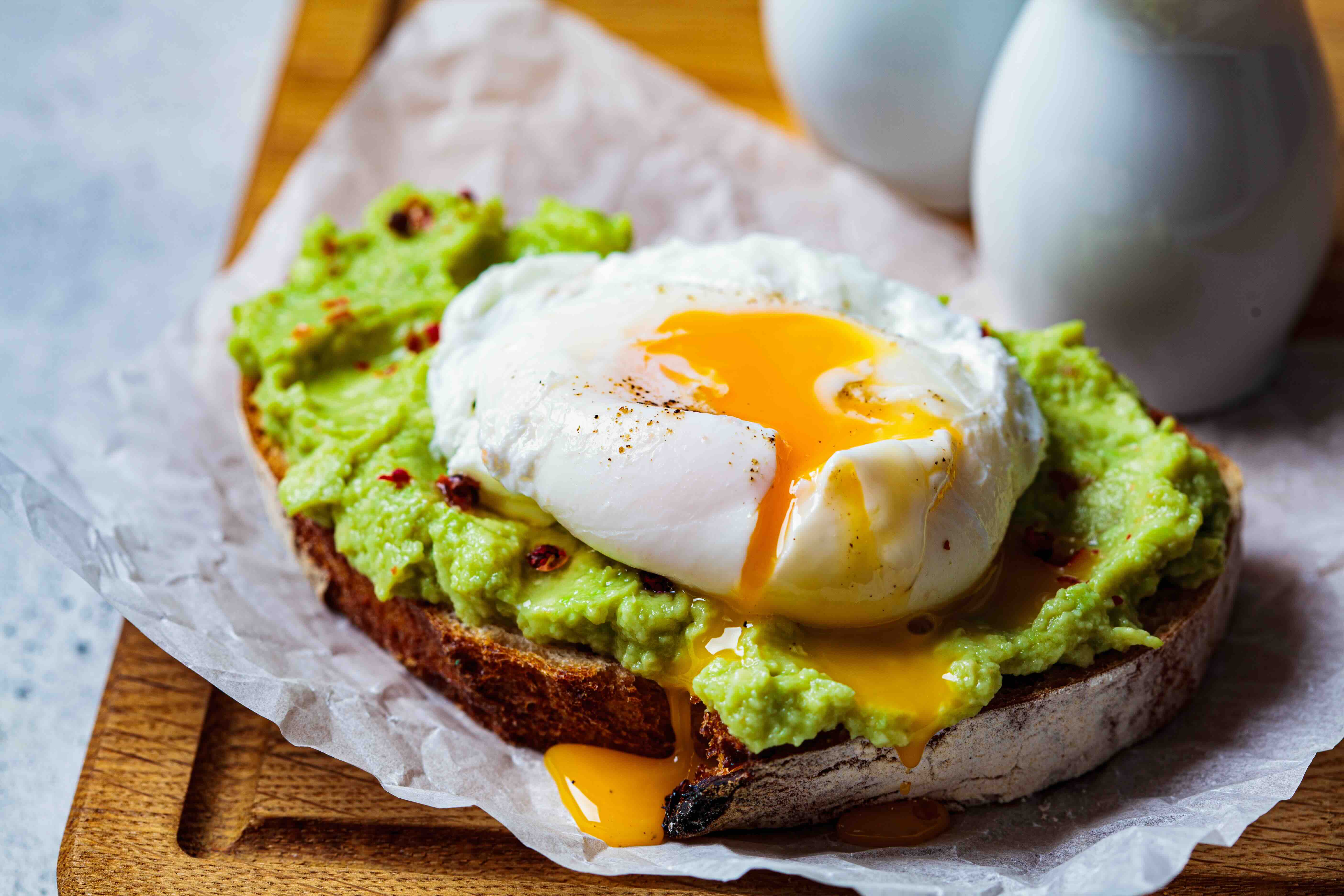
Why Your Usual Diet Might Not Be Working Anymore
Many women in their late 30s and early 40s find themselves frustrated: "I'm eating the same way I always have, but my body is responding differently." Sound familiar?
Here's what's happening: As your hormones shift, so does your metabolism, your muscle mass, your bone density needs, and even how your body processes different nutrients. The eating approach that sustained you in your 20s and early 30s might need some thoughtful adjustments.
Common Signs Your Nutrition Needs Are Changing:
- You feel hungrier between meals, especially in the afternoon
- Your usual lunch (maybe just a salad) leaves you crashing by 3 PM
- You're craving more carbs or sweets than usual
- You feel less satisfied after meals that used to fill you up
- Your energy feels more unstable throughout the day
The Protein Priority: Why It Matters More Now
If there's one nutritional change that can make the biggest difference during perimenopause, it's prioritizing protein. Here's why:
- Your Muscle Mass Is Changing: As estrogen declines, your body becomes less efficient at building and maintaining muscle. Without adequate protein, you might notice feeling less strong or toned, even if you're staying active.
- Your Metabolism Needs Support: Muscle tissue burns more calories than fat tissue. By preserving your muscle mass with adequate protein, you're supporting your metabolic health.
- Your Blood Sugar Needs Stability: Protein helps slow down the absorption of carbohydrates, preventing those energy spikes and crashes that can feel more intense during perimenopause.
How Much Protein Do You Actually Need?
Most Filipino women are getting much less protein than their changing bodies need. Here's a simple way to calculate your target:
- Your weight in kilograms × 1.2 to 1.5 = daily protein grams
For example: If you weigh 60kg, aim for 72-90g of protein daily.
What Does This Look Like in Real Food?
- 2 eggs = 12g protein
- 1 cup of Greek yogurt = 20g protein (if available)
- 100g grilled chicken = 25g protein
- 100g grilled milkfish (bangus) = 20g protein
- 1 cup cooked monggo = 15g protein
- 1 glass of milk = 8g protein
Filipino-Friendly Protein Sources:
- Fish: Bangus, tilapia, tuna, galunggong, salmon
- Eggs: The most budget-friendly complete protein
- Dairy: Fresh milk, kesong puti, Greek yogurt (if available)
- Legumes: Monggo, sitaw, garbanzos, red beans
- Meat: Lean cuts of chicken, pork, beef
- Plant-based: Tofu, tokwa, tempe
Smart Carbohydrates: Energy That Sustains
Don't fall into the trap of cutting carbs completely. Your brain needs glucose to function, and your changing hormones can make you more sensitive to blood sugar swings. The key is choosing carbs that provide steady energy.
Choose These More Often:
- Brown rice instead of white rice (start by mixing half and half)
- Camote (sweet potato) - excellent for sustained energy
- Gabi (taro root) - rich in fiber and nutrients
- Whole grain bread when you can find it
- Oats - great for morning sustained energy
- Quinoa - if accessible, it's a complete protein too
Balance Your Plate:
Think of your plate in thirds:
- 1/3 protein (fish, chicken, eggs, legumes)
- 1/3 smart carbs (brown rice, camote, vegetables)
- 1/3 vegetables (the more colorful, the better)
Healthy Fats: Your Hormone's Best Friend
Your body needs healthy fats to produce hormones and support brain health. Don't be afraid of them—embrace them strategically.
Filipino-Friendly Healthy Fats:
- Coconut oil - use in moderation for cooking
- Avocado - when available and budget-friendly
- Nuts: Pili nuts (a Filipino superfood!), almonds, cashews
- Fish - the natural oils in bangus, salmon, sardines
- Olive oil - for salads and light cooking
Bone-Building Nutrients: Think Beyond Milk
Your bone health becomes crucial during perimenopause. While calcium is important, it works best with other nutrients.
Calcium Sources Beyond Dairy:
- Malunggay (moringa) - incredibly rich in calcium
- Kangkong (water spinach)
- Small fish eaten with bones (like dried dilis)
- Sesame seeds and tahini
- Sardines (canned with bones)
Don't Forget Vitamin D:
- Morning sunlight - 15-20 minutes before 10 AM
- Fatty fish like salmon and tuna
- Egg yolks from pastured chickens if possible
The Filipino Perimenopause Plate: Practical Meal Ideas
Breakfast That Sustains:
Instead of just pandesal and coffee, try:
- 2 eggs + 1 slice whole grain bread + sliced tomato
- Greek yogurt + banana + handful of nuts (if available)
- Oatmeal + milk + sliced almonds + berries (if available)
Lunch That Energizes:
Instead of just rice and ulam, think:
- Brown rice + grilled bangus + sautéed kangkong + small serving of beans
- Chicken tinola with extra malunggay + small portion of rice
- Monggo soup with pieces of fish + side of steamed vegetables
Dinner That Satisfies:
- Grilled fish + roasted camote + mixed vegetables with a little coconut oil
- Chicken adobo (lean cuts) + cauliflower rice + side of fresh tomatoes
- Tokwa and baboy (lean pork) + brown rice + plenty of vegetables
Smart Snacks:
- Boiled eggs with a sprinkle of salt
- Greek yogurt (when available) with a few nuts
- Roasted chickpeas (garbanzos)
- Fresh fruit with a small handful of nuts
Hydration: Your Secret Weapon
In our tropical climate, proper hydration becomes even more crucial during perimenopause, especially if you're experiencing hot flashes.
Aim for: 8-10 glasses of water daily, more if you're active or it's particularly hot
Upgrade Your Hydration:
- Add a pinch of sea salt to your water for better absorption
- Coconut water for natural electrolytes (without added sugar)
- Herbal teas like salabat (ginger tea) for added benefits
- Infused water with cucumber, lemon, or mint for variety
Foods to Approach Mindfully
You don't need to eliminate these foods, but being mindful of them can help you feel better:
May Trigger Hot Flashes in Some Women:
- Very spicy food (though many Filipino women handle spice well)
- Excessive caffeine, especially late in the day
- Too much alcohol
- Very hot beverages
May Affect Energy Stability:
- Too much white rice at one sitting
- Sugary drinks and desserts
- Processed snacks
The 80/20 Approach: Sustainable Changes
Aim to eat nourishing, hormone-supporting foods 80% of the time, and allow yourself flexibility for family celebrations, work events, and the occasional comfort food.
This means:
- You can still enjoy your favorite Filipino dishes
- Family gatherings don't become stressful food events
- You focus on progress, not perfection
- You make sustainable changes that fit your lifestyle
Quick Win: "Add This Week" Shopping List
Instead of overhauling everything, add these items to your next grocery trip:
- Eggs (if you don't already buy them regularly)
- Canned sardines in water
- Malunggay (fresh or powder)
- Monggo beans
- Greek yogurt (if budget allows)
- Almonds or peanuts (unsalted)
- Brown rice (start with a small bag to try)
This Week's Challenge: Pick ONE meal daily to apply these principles. Maybe it's adding an egg to your breakfast, or including more vegetables in your lunch. Small, consistent changes build into lasting transformation.
Remember: You're not restricting - you're nourishing. You're not depriving - you're supporting. Your body is asking for what it needs to thrive in this new phase. Listen to it with kindness and feed it with intention.
Step 3: STRENGTHEN - Move for Your Future Self
If nutrition is the foundation of thriving through perimenopause, movement is what builds your confidence on top of it. But this isn't about punishing workouts or trying to look like you did in your 20s. This is about building strength for the life you want to live.
The goal isn't to be skinny - it's to be strong. #LakasOverPayat
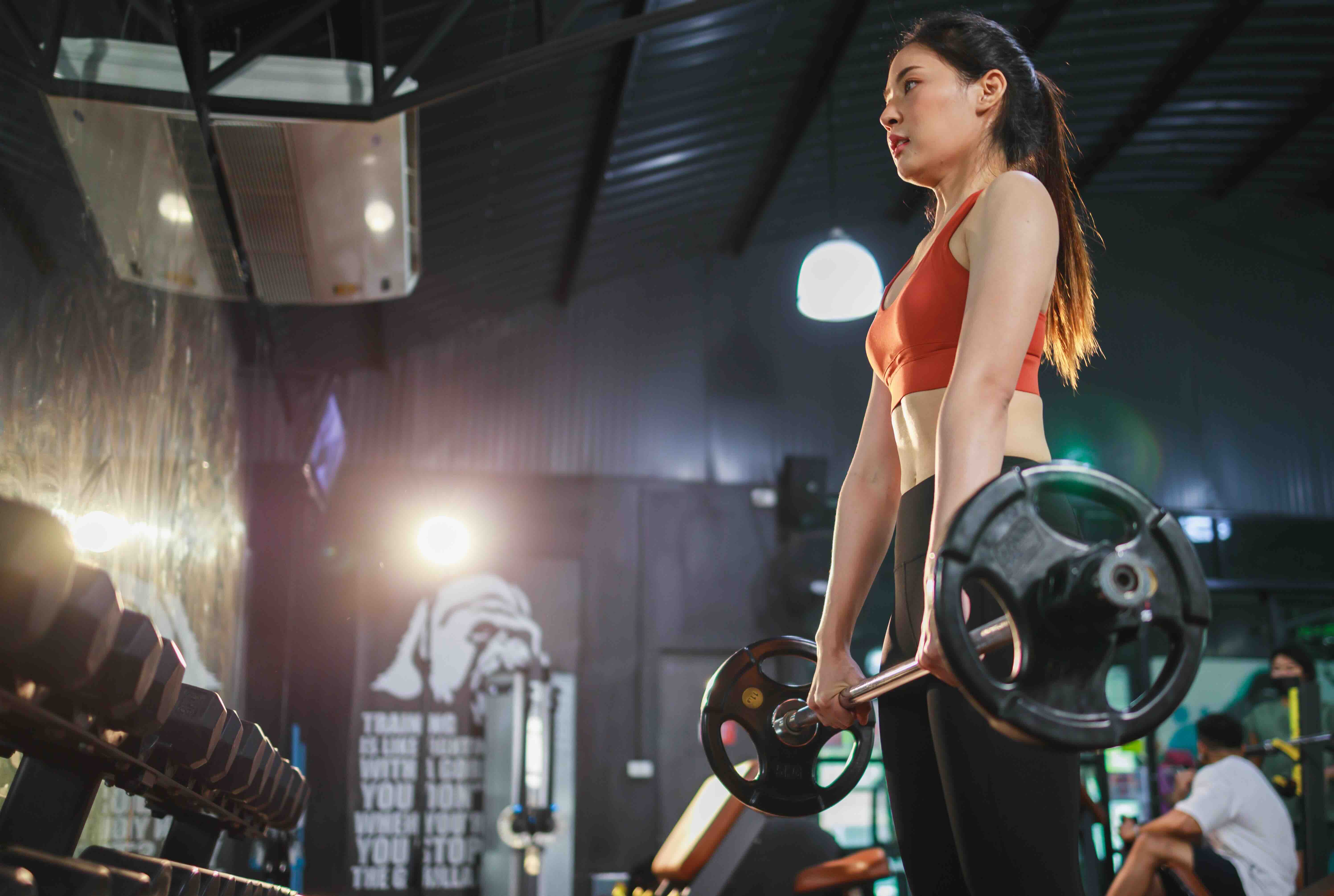
Why Movement Matters More Now Than Ever
During perimenopause, your body is losing muscle mass faster than before. Without intervention, you might lose 3-8% of your muscle mass per decade after age 30, and this loss accelerates during the hormonal transition.
But here's the empowering truth: You can not only slow this process, you can reverse it.
What Strength Training Can Do for You:
- Protect your bones from the density loss that accelerates after menopause
- Boost your metabolism by maintaining and building calorie-burning muscle
- Improve your mood through endorphin release and confidence building
- Support better sleep by helping your body manage stress
- Enhance your daily life - carrying groceries, playing with kids, feeling capable
Reframing Exercise: From Weight Loss to Strength Gain
Many of us grew up thinking exercise was about burning calories or getting smaller. But during perimenopause, the most powerful mindset shift is focusing on what your body can do rather than how it looks.
- Instead of asking: "How many calories did I burn?" Ask: "How much stronger did I get?"
- Instead of asking: "Did I lose weight?" Ask: "Can I carry my groceries up the stairs more easily?"
- Instead of asking: "Do I look thinner?" Ask: "Do I feel more confident in my body?"
The Filipino Fitness Reality: Working with What You Have
Let's be honest about the realities many Filipino women face:
- Climate challenges: It's hot and humid most of the year
- Space limitations: Not everyone has room for big equipment
- Budget considerations: Gym memberships aren't always feasible
- Time constraints: Between work and family, finding time is tough
- Cultural barriers: Some communities aren't used to seeing women exercise openly
The good news? You can build significant strength with minimal equipment and space.
Strength Training: Your Non-Negotiable
If you could only do one type of exercise during perimenopause, make it strength training. Here's how to start, no matter your current fitness level:
The Filipino Home Strength Setup:
You need minimal equipment:
- Your body weight (always available, always free)
- A sturdy chair (for support and elevation)
- Water bottles or rice bags (as weights)
- A small towel (for floor exercises)
- Resistance bands (if budget allows - very affordable and space-efficient)
The Essential Movements (Start Here):
- Squats (For Strong Legs and Glutes)
- Stand with feet shoulder-width apart
- Lower like you're sitting in a chair
- Keep your chest up, knees behind toes
- Start with 8-10 repetitions
- Use a real chair behind you for confidence at first
- Modified Push-Ups (For Upper Body Strength)
- Start against a wall, then progress to incline on a chair
- Eventually work toward knee push-ups, then full push-ups
- Focus on controlled movement
- Start with 5-8 repetitions
- Glute Bridges (For Core and Hip Strength)
- Lie on your back, knees bent
- Lift your hips to create a straight line from knees to shoulders
- Squeeze your glutes at the top
- Start with 10-12 repetitions
- Rows (For Back Strength)
- Use resistance bands or water bottles
- Pull your elbows back, squeezing shoulder blades together
- Essential for posture, especially if you work at a desk
- Start with 8-10 repetitions
The 15-Minute Morning Routine:
Perfect for busy schedules and hot climates:
- 2 minutes gentle warm-up (marching in place, arm circles)
- 10 minutes strength exercises (the 4 movements above)
- 3 minutes cool-down stretching
Do this 3 times per week, and you'll start seeing changes in 4-6 weeks.
Cardio That Makes Sense for Your Life
You don't need to run marathons. Choose activities that you actually enjoy and can sustain:
Climate-Friendly Options:
- Early morning walks (before it gets too hot)
- Mall walking (air-conditioned and safe)
- Swimming (if you have access to a pool)
- Dancing (put on music at home - Zumba videos, folk dancing)
- Stair climbing (use your apartment or office building)
The "Exercise Snack" Approach:
Instead of trying to find one long block of time, try:
- 5-minute morning walk around your neighborhood
- 10-minute lunchtime stair climbing at the office
- 5-minute evening stretching while watching TV
- Weekend longer activity - swimming, hiking, or dancing
Movement for Your Climate: Staying Cool and Consistent
Beat the Heat Strategies:
- Exercise before 7 AM or after 6 PM when it's cooler
- Indoor alternatives: stair climbing, bodyweight exercises, dance videos
- Hydrate extra: drink water before, during, and after movement
- Dress smart: light, breathable fabrics, hat/cap for outdoor activities
- Listen to your body: it's okay to modify intensity on particularly hot days
Rainy Season Solutions:
- YouTube workout videos (many are free and require no equipment)
- Bodyweight exercises in your living room
- Dancing to your favorite music
- Yoga or stretching routines
- Resistance band workouts (bands take up almost no space)
Making It Social: Filipino-Style Fitness
Filipinos do everything better with friends and family. Use this cultural strength:
Community Approaches:
- Walking groups with neighbors (safer and more fun)
- Family dance sessions - get the kids involved
- Office building stair climbing with colleagues
- Weekend swimming or hiking with friends
- Zumba in the barangay - join or start a group
Make It Part of Family Time:
- Active play with children or grandchildren
- Family walks after dinner
- Dancing during family gatherings
- Swimming as a family weekend activity
Flexibility and Balance: Often Overlooked, Always Important
As we age, maintaining flexibility and balance becomes crucial for injury prevention and quality of life.
Simple Daily Stretches (5-10 minutes):
- Neck rolls (especially important if you work at a computer)
- Shoulder shrugs and rolls (releases tension)
- Gentle spine twists (sitting or standing)
- Calf stretches (against a wall)
- Hip flexor stretches (helps with posture)
Balance Practice:
- Stand on one foot while brushing teeth
- Walk heel-to-toe in a straight line
- Practice getting up from a chair without using hands
Starting Where You Are: No Judgment, Just Progress
If you haven't exercised in years:
- Start with 5-10 minutes of gentle movement daily
- Focus on consistency over intensity
- Celebrate showing up, not perfection
If you used to be very active:
- Resist the urge to jump back to your previous intensity
- Allow your body time to readjust
- Focus on how exercise feels now, not how it used to feel
If you're dealing with aches and pains:
- Gentle movement often helps more than complete rest
- Start with stretching and very light strength training
- Consider water-based exercise if joints are uncomfortable
Quick Win: The "Strength Starter" 2-Week Plan
Week 1: Movement Habit Building
- Daily: 5-minute walk (indoor or outdoor)
- 3 times: 5-minute strength routine (2 exercises of your choice)
- Daily: 2-minute stretching
Week 2: Building on Success
- Daily: 10-minute walk or movement
- 3 times: 10-minute strength routine (all 4 essential movements)
- Daily: 5-minute stretching
Track your progress by how you feel:
- Energy levels throughout the day
- Ease of daily activities (climbing stairs, carrying bags)
- Sleep quality
- Mood and confidence
Listen to Your Body's Wisdom
During perimenopause, your energy and recovery may be less predictable. Some days you'll feel strong and motivated. Other days, gentle stretching might be all you can manage.
Both are perfectly valid.
The key is consistent, gentle movement rather than sporadic intense efforts. Your body is changing, and your exercise approach can change with it.
Remember: Every movement counts. Every rep makes you stronger. Every workout is an investment in your future self.
You're not just exercising—you're building the strength and confidence to fully embrace your Second Spring.
Step 4: FLOURISH - Build Your Support System
You've learned to recognize your body's new language, nourish it with intention, and strengthen it with purpose. Now comes perhaps the most important piece: creating the mental, emotional, and social support that will help you truly flourish during this transition.
Your Second Spring isn't just about managing symptoms—it's about blooming into who you're meant to become.
Shifting from Surviving to Thriving
Many women approach perimenopause with a "just get through it" mentality. But what if this transition isn't something to endure, but something to embrace? What if the challenges are actually invitations to grow stronger, wiser, and more authentically yourself?
This mindset shift changes everything.
Instead of seeing hot flashes as just discomfort, you might recognize them as your body's way of releasing what no longer serves you. Instead of viewing mood changes as problems, you might see them as opportunities to set better boundaries and honor your needs more fully.
The Power of Reframing: From Victim to Victor
- Old Story: "My body is betraying me." New Story: "My body is communicating important information."
- Old Story: "I'm falling apart." New Story: "I'm transforming."
- Old Story: "My best years are behind me." New Story: "I'm entering my season of wisdom and authenticity."
The Filipino Context of Aging: In our culture, we often hear phrases like "Tumatanda ka na" (you're getting old) as if aging is something shameful. But what if we reclaimed the Filipino tradition of respecting our elders' wisdom? What if we saw this transition as stepping into the role of the wise woman, the advisor, the one whose experience has value?
Creating Your Personal Wellness Ritual
Rituals aren't just religious practices—they're intentional moments that anchor you in self-care and mindfulness. During the unpredictability of perimenopause, having consistent rituals can provide stability and comfort.
Morning Ritual Ideas (5-10 minutes):
- Mindful coffee/tea time: Instead of rushing through your morning drink, take 5 minutes to truly savor it
- Prayer or Gratitude practice: A morning thanksgiving prayer or list 3 things you're grateful for before checking your phone
- Gentle stretching: A few minutes of movement to wake up your body
- Intention setting: Choose one word or phrase to guide your day
Midday Reset Ritual (2-5 minutes):
- Deep breathing: 5 deep breaths when you feel overwhelmed
- Hydration pause: Drink a full glass of water mindfully
- Posture check: Roll your shoulders, straighten your spine
- Quick affirmation: "I am capable. I am strong. I am enough."
Evening Wind-Down Ritual (10-15 minutes):
- Technology sunset: Put devices away 30 minutes before bed
- Reflection practice: What went well today? What did I learn?
- Gentle self-care: Face cream, hand lotion, or a warm shower with intention
- Prayer or meditation: Whatever connects you to peace and gratitude
Stress Management: Filipino-Style Self-Care
Stress management doesn't have to be complicated or expensive. Often, the most effective strategies are rooted in our cultural practices and natural inclinations.
Filipino Stress-Busters:
- "Usapan" (heart-to-heart conversations): Regular check-ins with trusted friends or family
- Music and singing: Whether it's karaoke or just singing while cooking
- Nature connection: Time in the garden, by the water, or simply watching sunsets
- Creative expression: Cooking, crafting, or any form of artistic outlet
- Community involvement: Helping others often helps us feel better too
The Art of "Pakikipagkapwa" (Shared Identity):
This uniquely Filipino concept reminds us that our well-being is connected to others'. During perimenopause, this can be incredibly healing:
- Share your experience with other women going through similar changes
- Offer support to friends who might be struggling
- Create connections rather than isolating yourself
- Remember that your journey can help light the way for others
Building Your Second Spring Circle
Who you surround yourself with during this transition matters enormously. You need people who celebrate your growth, hindi lang tolerate your changes.
Your Inner Circle Should Include:
- The Cheerleader: Someone who believes in your strength even when you don't
- The Truth-Teller: A friend who lovingly calls you out when you're being too hard on yourself
- The Fellow Traveler: Someone going through similar life changes
- The Wise Woman: An older woman who's navigated this transition successfully
- The Medical Advocate: A healthcare provider who takes your concerns seriously
Evaluating Your Current Relationships:
During perimenopause, you might find yourself less tolerant of relationships that drain your energy. This isn't selfishness - it's wisdom.
Ask yourself:
- After spending time with this person, do I feel energized or depleted?
- Do they support my growth or do they prefer me to stay the same?
- Can I be authentic with them, or do I feel like I have to perform?
- Do they celebrate my successes or minimize them?
It's okay to create distance from relationships that no longer serve you.
The Art of Saying "No" (and Meaning It)
Perimenopause often brings a decreased tolerance for things that don't align with your values or energy levels. This is actually a gift - it's your body and mind telling you to prioritize what truly matters.
Filipino Women and Boundary Setting:
We're often raised to be "mabait" (kind) and accommodating, sometimes at the expense of our own well-being. But setting boundaries isn't unkind - it's necessary for your health.
Practice these phrases:
- "Let me check my schedule and get back to you." (Buys you time to think)
- "I wish I could help, but I can't take on anything else right now."
- "That doesn't work for me, but thank you for thinking of me."
- "I need to prioritize my health right now."
Remember: Every "no" to something that drains you is a "yes" to something that could nourish you.
Managing Family Expectations
Filipino families can be wonderfully supportive but also demanding. During perimenopause, you might need to renegotiate some family roles and expectations.
Common Family Challenges:
- Being the default caregiver for aging parents while dealing with your own changes
- Expectations to host/organize every family gathering
- Pressure to "push through" symptoms without complaint
- Dismissive attitudes about peri/menopause as "women's drama"
Strategies for Family Education:
- Share information about what you're experiencing (this guide could be a start!)
- Set clear expectations about what you can and cannot do
- Ask for specific help rather than hoping family will notice you need it
- Model self-care so younger women in your family learn it's acceptable
Creating Space for Your Dreams
One of the unexpected gifts of perimenopause can be a renewed clarity about what you actually want from life. As hormones that kept you focused on others' needs begin to shift, your own desires might emerge more clearly.
Questions for Reflection:
- What did I love doing before I got caught up in everyone else's needs?
- If I had unlimited time and energy, what would I pursue?
- What would I regret not trying if I continue living as I am now?
- What brings me joy that I've been putting off?
Small Steps Toward Big Dreams:
- Start a hobby you've always been curious about
- Take a class (online if needed) in something that interests you
- Plan a trip (even a small one) that excites you
- Volunteer for a cause you care about
- Start that business idea you've been thinking about
Spiritual Wellness: However You Define It
Whether your spirituality is rooted in organized religion, nature connection, meditation, or simply quiet reflection, nurturing this aspect of yourself becomes especially important during life transitions.
Spiritual Practices That Support Perimenopause:
- Regular prayer or meditation, even just 5 minutes daily
- Gratitude journaling to shift focus toward abundance
- Time in nature to remember you're part of something bigger
- Reading that feeds your soul and expands your perspective
- Service to others which often provides perspective on our own challenges
Quick Win: "My Second Spring Goals" Worksheet
Take a few minutes to complete these statements:
- In my Second Spring, I want to feel: (Examples: Strong, confident, peaceful, creative, connected)
- One thing I want to start doing: (Examples: Dancing, writing, traveling, learning something new)
- One thing I want to stop doing: (Examples: Saying yes when I mean no, ignoring my health, comparing myself to others)
- Three people who support my growth:
- One boundary I need to set: (Example: Not checking work emails after 7 PM, asking for help with household tasks)
- My daily non-negotiable self-care practice: (Examples: 10 minutes of quiet time, daily walk, evening tea ritual)
Embracing Your Becoming
Your Second Spring isn't about returning to who you used to be - it's about becoming who you're meant to be. This might mean:
- Speaking up more in situations where you used to stay quiet
- Caring less about others' opinions and more about your own values
- Pursuing interests that bring you joy, regardless of whether they're "practical"
- Setting boundaries that honor your energy and well-being
- Embracing your wisdom as a valuable gift to share with others
Remember: This transition isn't happening TO you - it's happening FOR you. Every challenge is an invitation to grow stronger. Every change is an opportunity to align more closely with your authentic self.
You're not just managing perimenopause—you're mastering your own life.
Your Second Spring Journey Starts Now
Congratulations—you've just completed your introduction to the Second Spring Method™.
You now have a framework that thousands of women around the world are using to not just survive perimenopause, but to thrive through it:
- ✅ Recognize - You understand your body's new language and can identify the signals that matter most
- ✅ Nourish - You know how to feed your changing body with foods that support your energy, strength, and hormonal balance
- ✅ Strengthen - You have practical ways to build physical resilience that work with your lifestyle and climate
- ✅ Flourish - You're equipped to create the mental, emotional, and social support systems that will help you bloom
But knowing and doing are two different things.
The women who transform their perimenopause experience aren't the ones who read about these concepts—they're the ones who consistently apply them, one small step at a time.
Your Next 7 Days: From Knowledge to Action
Don't try to implement everything at once. Instead, choose ONE element from each pillar to focus on this week:
- Recognize: Start the daily symptom tracker (just morning energy, sleep quality, and mood—keep it simple)
- Nourish: Add one protein-rich food to each meal (an egg at breakfast, fish at lunch, nuts as a snack)
- Strengthen: Commit to 10 minutes of movement, 3 times this week (even if it's just squats and stretches in your living room)
- Flourish: Set ONE boundary or create ONE small daily ritual that nurtures your well-being
Remember: Small, consistent actions create lasting transformation. You don't need to be perfect—you just need to begin.
You're Not Alone in This
Your Second Spring journey is uniquely yours, but you don't have to walk it alone. You're part of a growing community of women who are redefining what it means to age with strength, wisdom, and grace.
Every hot flash you navigate with self-compassion, every boundary you set with kindness, every moment you choose nourishment over restriction—you're not just changing your own experience. You're modeling a new way forward for your daughters, your friends, and every woman who will follow this path after you.
Your perimenopause isn't just about you—it's about all of us.
When you embrace your Second Spring, you give permission for other women to embrace theirs. When you prioritize your health and well-being, you show others that they matter too. When you refuse to disappear or diminish yourself during this transition, you light a torch for every woman behind you.
The Journey Continues
This guide is just the beginning. Your Second Spring will unfold over months and years, bringing new insights, challenges, and victories. Some days will feel easier than others. Some strategies will work better for you than others. And that's perfectly normal.
Trust the process. Trust your body. Trust yourself.
You have everything you need to not just navigate this transition, but to bloom beautifully through it. Your Second Spring is waiting—and it's going to be magnificent.
Ready to take your next step? Join thousands of women who are already living their Second Spring at www.secondspringph.com where you'll find:
- Extended resources and meal planning guides
- A community of women sharing their journeys
- Expert-led workshops and Q&A sessions
- Science-backed tools and supplements designed specifically for perimenopause
- Your invitation to the SecondSpring Collective—our private community of women supporting each other through this beautiful, challenging, transformative time
Your Second Spring starts now. Own it.
About SecondSpring
SecondSpring is the Philippines' first wellness brand specifically designed for women navigating perimenopause and menopause. Our science-backed supplements, educational resources, and supportive community are built on one simple belief: this isn't the end of your story - it's the beginning of your most authentic, powerful chapter yet.
Learn more at www.secondspringph.com
Disclaimer
The information provided in this guide is for general informational purposes only and does not constitute medical advice. It is not intended to diagnose, treat, cure, or prevent any disease. Always consult with a qualified healthcare professional before making any decisions about your health or treatment. Individual results may vary.